Ozempic Vitamins: Which Ones Matter Most When Your Appetite Shrinks
If you’re taking Ozempic and eating much less than before, it’s reasonable to wonder whether you’re still getting enough vitamins and minerals. A smaller appetite can mean fewer nutrient-rich foods in your day. Nausea, vomiting, or diarrhea can make it harder to eat and drink as usual, too.
That does not mean Ozempic automatically causes a vitamin deficiency. The evidence so far points to possible gaps in nutrient intake for some people, not a guaranteed deficiency for everyone. Here’s what the research suggests, which nutrients may be worth discussing with your clinician, and how to start with food.
Why a smaller appetite can mean fewer micronutrients
Vitamins and minerals come from foods such as dairy, eggs, beans, leafy greens, fruit, fish, nuts, and fortified products. When you eat less overall, or stop choosing certain foods, you may take in less of the nutrients they provide.
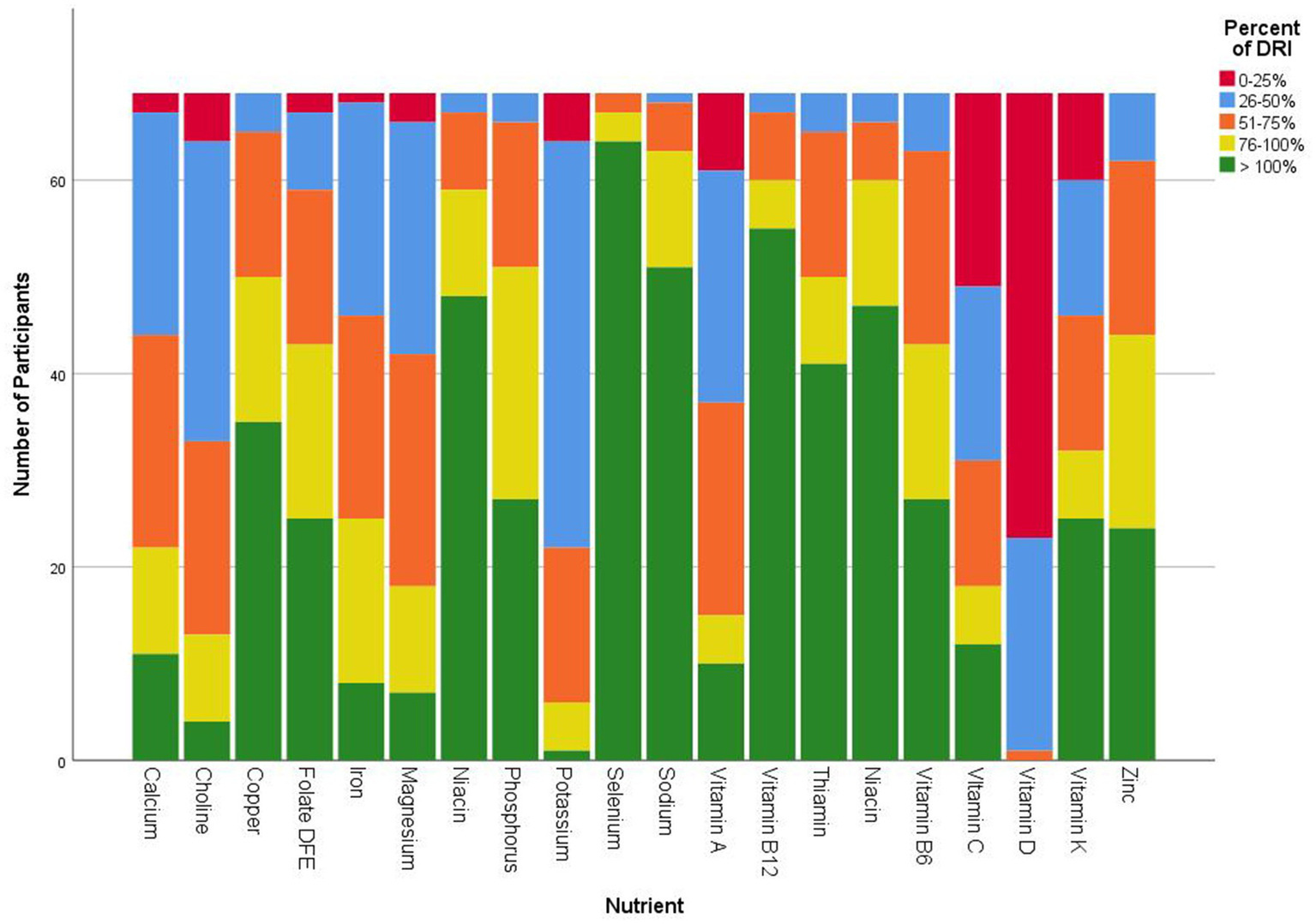
A 2025 study asked 69 people using GLP-1 medications to record what they ate over three days. Average food intake was below reference levels for vitamin D, calcium, magnesium, potassium, and iron. Participants’ average intakes of B vitamins, including B12 and folate, were not below reference levels. The study measured reported food intake, not blood levels, and was small, so its results do not show that every Ozempic user has a deficiency. Read the study.
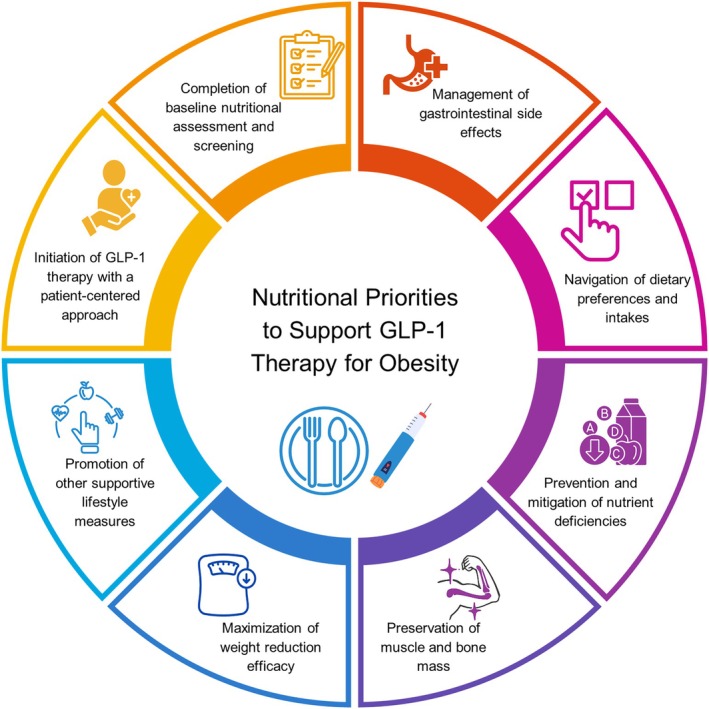
A 2025 joint advisory on nutrition during GLP-1 treatment also highlights the possibility of inadequate nutrient intake when calorie intake drops. It recommends emphasizing nutrient-dense foods and considering supplements based on individual needs. Read the advisory.
The practical point: look at your usual food intake and health history, rather than assuming you need every supplement mentioned online.
Nutrients to pay attention to
These are nutrients worth considering with your clinician if your food intake has changed. “Worth checking” does not mean “deficient.”
Vitamin D
Vitamin D intake was notably low in the small GLP-1 food-record study. Few foods naturally contain much vitamin D; fatty fish and egg yolks provide some, and many milks and plant-based alternatives are fortified.
Sun exposure and other personal factors also affect vitamin D status. A clinician can decide whether a blood test is appropriate and whether a supplement makes sense for you.
Calcium
Calcium intake can fall if you’re eating less dairy or fewer fortified alternatives. Yogurt, milk, cheese, calcium-fortified plant drinks, tofu made with calcium, and some canned fish with bones are food sources.
Calcium needs vary, and taking extra without considering your diet and medical history may not be appropriate. Bring your usual food choices and any current supplements to your appointment.
Magnesium and potassium
Both minerals were below reference levels on average in the study. Beans, lentils, nuts, seeds, whole grains, and leafy greens can provide magnesium. Potassium is found in foods such as potatoes, beans, yogurt, bananas, and leafy greens.
Avoid starting potassium pills without medical advice. Kidney conditions and some medications can make potassium supplementation unsafe. If vomiting or diarrhea is persistent, contact your care team; dehydration and electrolyte concerns need individual guidance.
Iron
The study found lower-than-reference average iron intake, but iron needs differ. Menstruation, pregnancy, dietary pattern, blood loss, and other health factors matter. Iron-rich foods include meat, shellfish, beans, lentils, tofu, and iron-fortified cereals. Vitamin C foods, such as citrus and peppers, can be eaten alongside plant sources of iron.
Don’t take iron just because you’re on Ozempic. Ask your clinician whether bloodwork, such as a complete blood count and iron studies, is appropriate.
Vitamin B12 and folate
Current GLP-1-specific evidence does not show that B12 or folate intake is consistently low for everyone. B12 is found mainly in animal foods and fortified foods; folate is found in beans, lentils, leafy greens, and fortified grains.
Your individual risk may be different if, for example, you eat a vegan diet, take certain medications, have had bariatric surgery, or have a condition that affects absorption. Tell your clinician about these factors. They can advise whether testing is useful.
Start with foods you can manage
Food is the first place to look when you’re planning a diet on Ozempic. If large meals feel difficult, smaller portions of nutrient-dense foods may be easier to work in. The joint advisory recommends foods such as fruit, vegetables, whole grains, legumes, dairy or fortified alternatives, seafood, eggs, nuts, and seeds.
A few practical options:
- Add yogurt, milk, or a fortified alternative if it fits your diet.
- Include beans, lentils, or tofu in a soup or small side portion.
- Keep fruit, nuts, or fortified cereal available for small snacks.
- Choose leafy greens or vegetables in a form you tolerate.
Your best choices depend on your preferences, symptoms, medications, and health conditions. If nausea or other symptoms make eating or drinking difficult, ask your prescriber for advice rather than trying to solve it with supplements alone.
When a supplement may help, and what it can’t do
A supplement can provide selected nutrients in a measured serving. It cannot confirm that you need those nutrients, replace a varied diet, or treat a diagnosed deficiency.
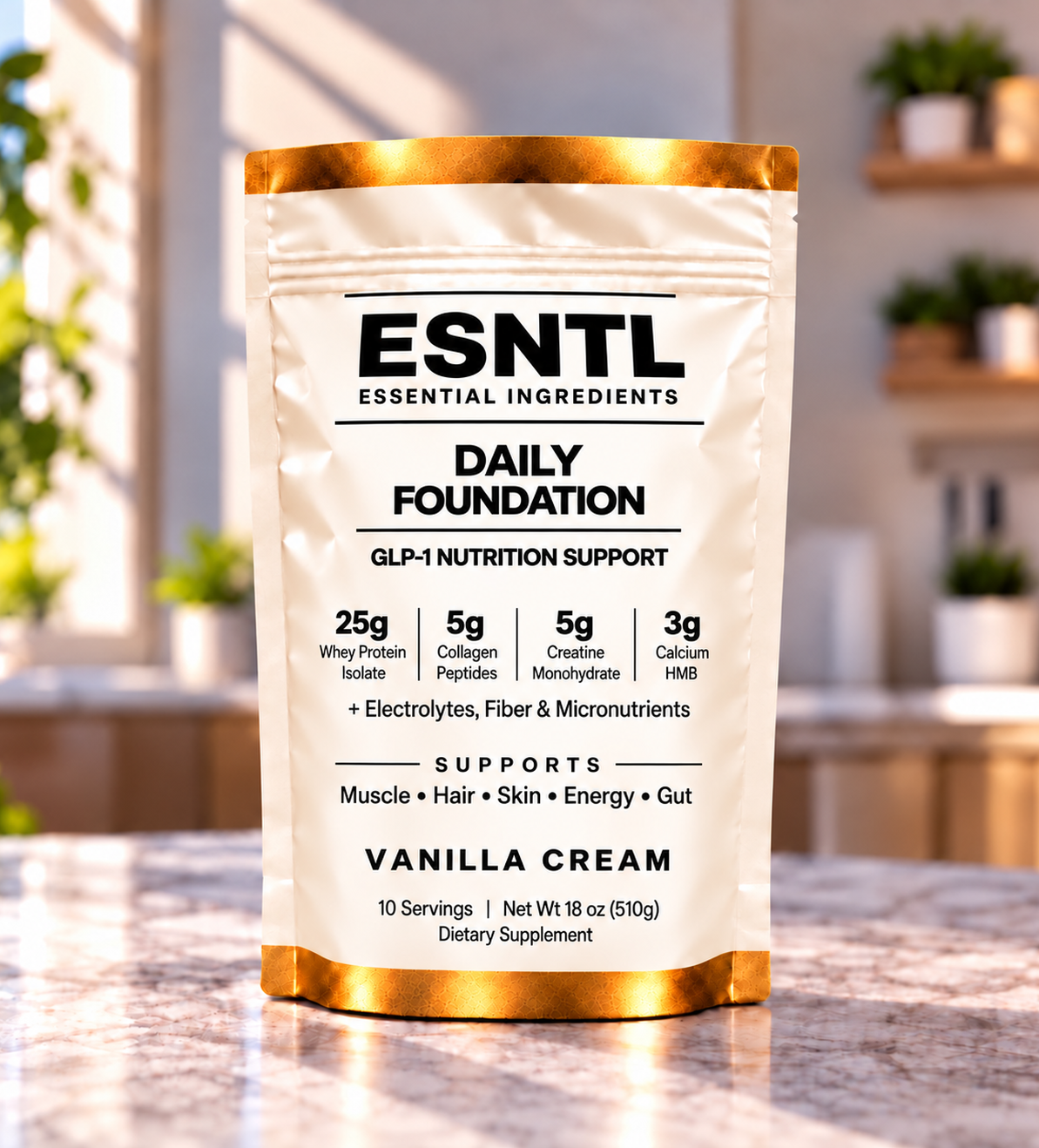
For example, ESNTL Daily Foundation lists exact amounts for its ingredients rather than using a proprietary blend. Its label includes vitamin D3 (50 mcg), vitamin K2 (150 mcg), calcium (405 mg, from calcium-HMB), magnesium (100 mg), potassium (300 mg), and B vitamins including B12, B6, and folate. It does not contain iron. Check the full label against your diet, medications, and any other supplements you use.

One product’s ingredient list is not a personal nutrition plan. The amounts you need, if any, depend on your situation. This is especially important for iron, potassium, calcium, and magnesium, where medical history, kidney function, medications, and other sources all matter.
Ask your clinician what to check
At your next appointment, explain how your appetite and food choices have changed. Ask whether your health history suggests checking specific nutrients, such as vitamin D, B12, folate, or iron. Your clinician can decide which tests are useful; broad testing is not automatically needed for every person taking Ozempic.
Also share a list of prescription medicines, over-the-counter products, and supplements. That helps your clinician check for overlap and possible interactions. A registered dietitian can also help you identify practical food sources that suit your appetite and needs. The American Association of Clinical Endocrinology’s nutrition guidance recommends personalizing nutrition advice and monitoring to a person’s history and risk factors.
The short answer
The best vitamins for Ozempic are not the same for everyone. Research on people using GLP-1 medications has found low average food intake of vitamin D, calcium, magnesium, potassium, and iron in one small study. It did not find the same pattern for B12 and other B vitamins. More research is needed, and food intake does not prove a blood deficiency.
Start by noticing what you’re able to eat, prioritize nutrient-dense foods where you can, and ask your clinician whether any bloodwork or supplement fits your needs.